
When SUS (Brazilian Public Health System) coverage falls short, solidarity steps in
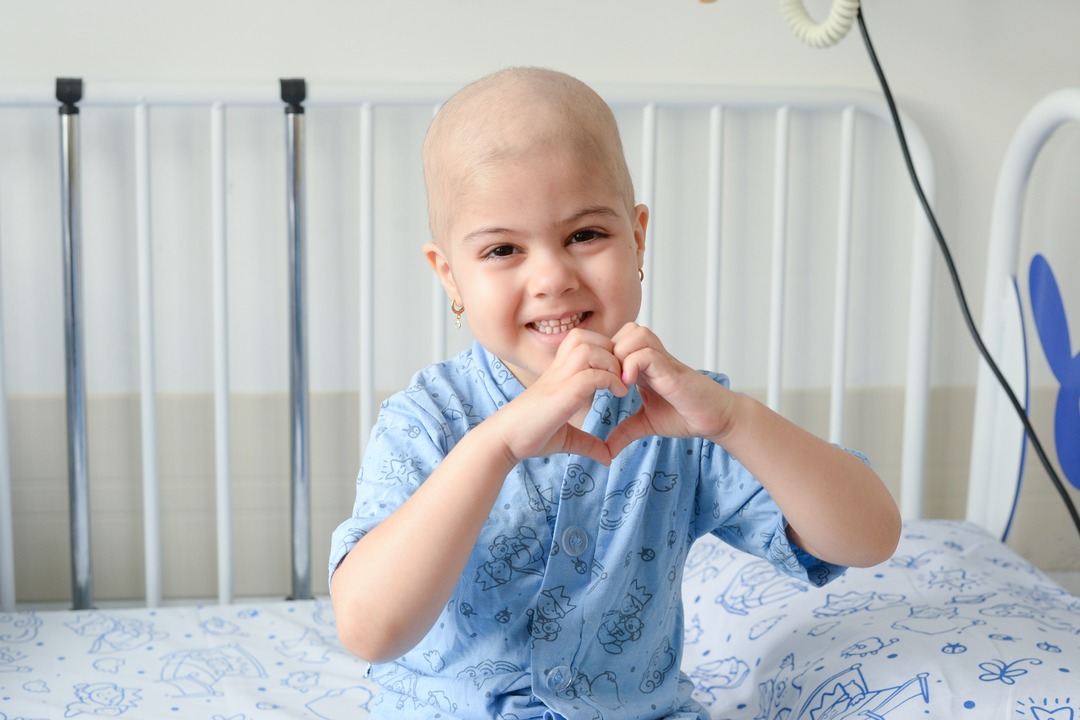
When little Daniela, from Curiúva, state of Paraná, arrived at Pequeno Príncipe Hospital after more than ten days of fever, her family received difficult news: she had acute lymphoblastic leukemia. Treatment began immediately, entirely through the Brazilian Public Health System (known as SUS).
“All of her treatment has been provided through SUS, and we have never had to pay anything. My daughter receives so much affection from everyone here, and so do we. The staff always ask whether we need anything and do everything they can to make this very difficult time a little easier,” says her mother, Daniele Soutchuk de Barros.
What Daniela’s family may not realize is that, to make treatments like hers possible, the Hospital must absorb costs that are not fully covered by the SUS. In 2025 alone, Pequeno Príncipe Hospital allocated more than US$ 1.84 million to supplement the acquisition of medications used in the care of SUS patients. Throughout the year, 24,496 hospital admissions and treatments required these therapies, primarily for children with cancer, hematologic disorders, rare diseases, severe infections, transplant recipients, and patients admitted to intensive care units.
Although these medications are indispensable for saving lives, many are either not covered under the SIGTAP reimbursement schedule — the table used by the Brazilian Ministry of Health to fund hospital procedures — or receive insufficient reimbursement. As a result, the Hospital must bridge this funding gap to ensure that every child receives the treatment prescribed by the medical team. Learn more in the main article of the 2026 July edition of Pequeno Príncipe News.
In this newsletter edition, you will also check the articles below. Click on the links to read the full length texts.
- Pequeno Príncipe’s experience strengthens early childhood care in a municipality in São Paulo state. The first years of life have a decisive influence on a child’s physical, emotional, and cognitive development. With the goal of strengthening care from the very beginning of life, Pequeno Príncipe Hospital shared with healthcare professionals from the public health network in Iguape, on the coast of São Paulo state, the expertise built over more than a decade through its Primeiríssima Infância: Gerando Prosperidade Social (Early Childhood: Generating Social Prosperity) project.
- Research identifies novel genetic variants and expands the diagnosis of rare diseases. Receiving the diagnosis of a rare disease remains a long journey for many families. Because of the wide variety of symptoms and their similarity to those of other disorders, children may spend months — or even years — undergoing successive examinations and consultations with different specialists in search of answers. One study developed by Pelé Pequeno Príncipe Research Institute, published in the scientific journal Frontiers in Immunology, demonstrates how genomic medicine can help change this reality.