
More than 60% of families of children hospitalized at Pequeno Príncipe live on up to two minimum wages
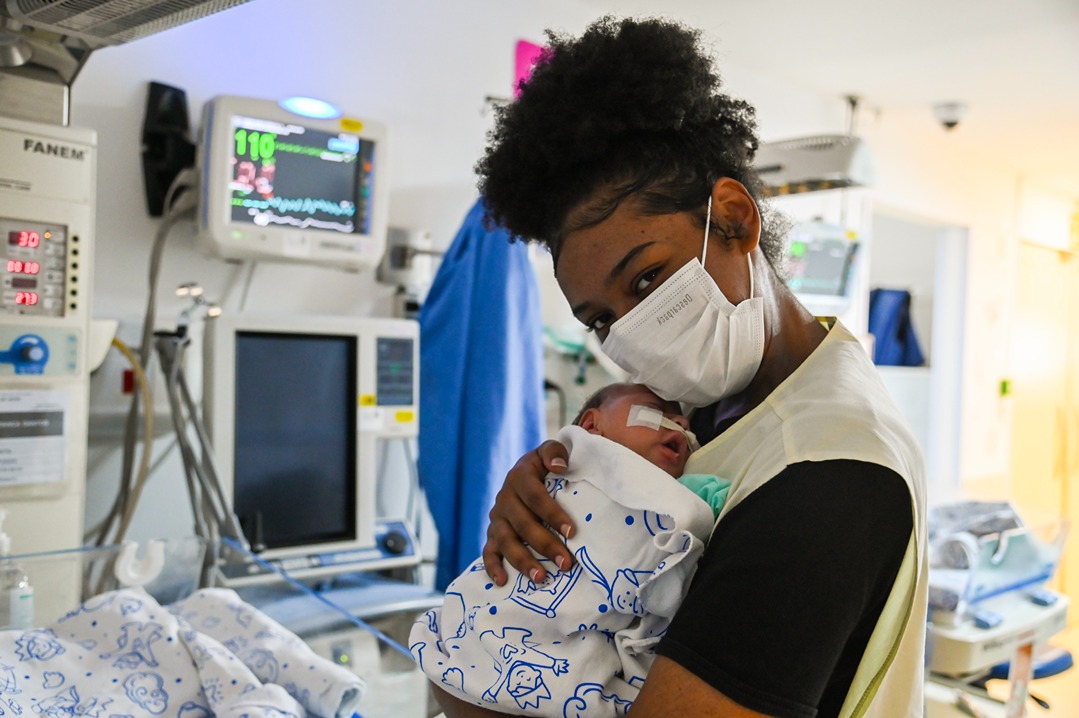
A recent study mapping the socioeconomic profile of hospitalized patients and their caregivers in 2025 shows that more than 60% of families with children admitted to Pequeno Príncipe Hospital live on up to two minimum wages.
The findings reveal that pediatric healthcare often occurs in a context of multiple social vulnerabilities. For many families, coping with a child’s illness also means dealing simultaneously with unemployment, limited income, and dependence on public policies.
Among caregivers, 48% are unemployed. Even among those who are working, job stability is limited: 31% work in informal activities, without formal employment contracts.
This scenario shows that for many families, the hospitalization of a child requires major reorganizations in daily life, affecting income, work routines, and family dynamics. Learn more details about this subject in the main article of the 2026 March edition of Pequeno Príncipe News.
In this newsletter edition, you will also check the articles below. Click on the links to read the full length texts.
- Social investments drive digital transformation at Pequeno Príncipe. This transformation has been taking place over the past few years through the Digital Hospital project, an initiative financed with resources raised from society and aimed at modernizing the institution’s technological infrastructure.
- Study identifies autism in 38% of children with spinal muscular atrophy type 1. The research project conducted by the Pelé Pequeno Príncipe Research Institute identified signs of autism spectrum disorder (ASD) in a proportion much higher than that observed in the general population, in which autism affects about 1% to 2% of individuals.